


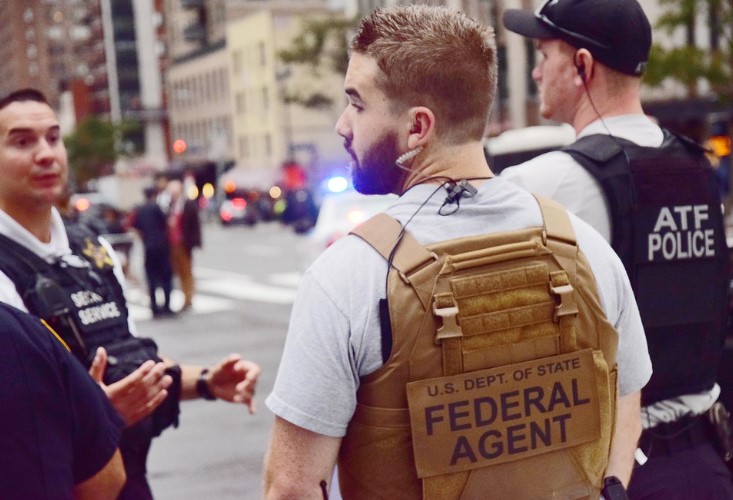
At the end of every summer, while America’s attention turns to football and long holiday weekends, many U.S. protection professionals are actively preparing for significant major events. Among these is the United Nations General Assembly, affectionately referred to as “UNGA” by the initiated. UNGA brings together over one hundred Heads of State, world leaders, and other VIPs in New York City.
To protect this group, thousands of federal agents, corporate, contract, and foreign security teams work together in preparing protective operational plans for a safe and coordinated visit. As a National Special Security Event (NSSE), the UNGA is managed overall by the U.S. Secret Service with the support of every alphabet agency in the federal government. If you’re in NYC during the last few weeks of September, it’s hard not to notice the enhanced security measures, sudden influx of security personnel, and their traffic-stopping motorcades. As retired Senior Special Agent Jim Holcomb describes it, “it’s full-contact ballet; elbows are being thrown, but in the end, it looks like art.”
Because of the large number of protectees and other VIPs who receive personal protection during this event, organizations like the U.S. Secret Service, U.S. State Department, and others draw on the resources of other agencies like DHS for support. Due to manpower requirements for the event, it is not uncommon for protection team members to work with others they have never worked with before. This dynamic requires detailed instructional information to be communicated to every team member, ensuring everyone understands their roles and responsibilities in the overall protective plan. We all know that team synergy is a key component of any working protective team, and the nuances of protecting anyone with a newly formed team can create uncertainty, which is something a protective operational team cannot have.
At many events in NYC, you will see a mix of governmental and private sector teams working directly next to each other. In the private sector, contract teams routinely come together for ad hoc assignments from a variety of sources. To navigate the management of teams that have not worked closely together or new team members with different levels of experience, managers should establish plans that communicate basic, but critical, protective operational team information. For the sake of this article, I will call this briefing the “Detail Leaders Briefing.”
To begin, the Detail Leader should meet collectively before the start of protective operations with all team members in a private space without distractions. This could be your command post, security room, or a private business space. This meeting should take about one hour, including the expected walkthrough of the RON or Suite.


Team Introductions:
Start the meeting with formal introductions. Each team member should state their name, prior experience, protective background, and pertinent certifications or specialties (e.g., medical, tactical, advance team, ASO, so on). This helps establish personal credibility and clarifies team capabilities.
Example: “I’m your Detail Leader Art Vandelay. I served in the U.S. State Department DSS and have conducted numerous domestic and international protective detail operations. I will be your Detail Leader during this assignment.”
Introduce team medical members, noting levels of certification and equipment carried. Identify any personnel trained in surveillance detection, defensive driving, or who are serving as Armed Security Officers (ASOs). Acknowledge outside contracted staff (if any) and outline their integration into the team.
Contact Information Exchange:
Following introductions, distribute a communications contact sheet including:
- Shared phone numbers of each team member (establish a group text)
- Radio call signs and frequencies to be used
- Lodging locations and room numbers for EA
- Discuss emergency relocation/rally points (ERPs)
- Daily meeting spots for shift changes
- Motorcade staging areas and sweeps
- Primary hospital for the visit
- Minimum team equipment
- Reporting chain of command
- Attire for the detail
- Identify other protective teams operating near yours
Ensure every team member saves this information and understands how to access emergency plans if communications are compromised. It is important to stress personal control for critical protective information and write each team member’s name on any hard copies provided for accountability.
Know Your Protectee:
Identify your protectee’s name, title, key sensitivities, family members present, and relevant health or behavioral concerns. Share any threats, BOLO’s or publicized risks. Provide a recent photograph of the protectee and any travelling staff or family members to the protective team.
“Dr. Allen is a high-profile CEO currently under public scrutiny for political donations. He is generally cooperative but is new to having protection and insists on minimal delays during movements.”
Schedule Review:
Walk through the protectee’s schedule line-by-line with the team.
- Provide the protectee’s line-by-line schedule and reiterate the importance of controlling it
- Go over the daily departure, arrival times, and locations for all venues
- Event agenda (Run of Show) for any special events where there is public interaction
- Provide key venue contacts for necessary team members
- Protectee interaction expectations with public, guests, and staff
Ensure all personnel understand their responsibilities at each stop. Highlight likely trouble spots (e.g., public entrances, media exposure points, additional protectees in proximity).
Site Briefings:
Review specific event or site layouts. If available, provide floor plans and aerial imagery.
- Motorcade drop points and staging
- Protectee entrances and exits
- Elevators, stairwells (controlled or private?)
- Medical resources available at each site
- Hard Rooms, Hold Rooms (Green Rooms), Buffers, and internal routes
- Communications dead zones
- Locations of the selected hospitals and internal safe/hard rooms
Access Control and Identification:
Clarify badge or credential requirements with available exemplars and who has direct access to the protectee or his/her suite. Ensure all team personnel have the appropriate “all access” identification for sites and understand local access procedures (metal detectors, bag checks, etc.) for the RON/Hotel or any site visited. Establish expectations for general staff interactions and the general security posture around VIP guests.
Team Schedules and Assignments:
Review shift assignments, post assignments, team rotations, post relief, and logistics support duties. This is especially critical when working with contract personnel or third-party security.
“ASO Johnson is with the protectee in transit aboard the company jet. Agents Ramirez and Lee are covering the RON Suite. The working shift will be Williams, Phillips, and me. Driver rotations will occur at 1800hrs at the vehicles. We are departing at 1700hrs for the FBO for pickup.”
Professional Conduct: On and Off Duty:
- No alcohol use 12 hours before duty
- Explain drug use policies, including recreational use
- Be respectful to staff, hotel workers, and the public
- Be discreet during ALL public conversations
- Discuss negative public interactions and aggressive media responses
- Maintain a clean appearance
- The Detail Leader is the “one voice” for the detail
- Use of cellular or portable devices while working
- Cover the Use of Force in detail
- Discuss post-relief and team expectations while working
Remind the team that every personal action and interaction reflects on the protectee and the overall team. All conduct should be reflective of the professional expectations associated with your position and duties.
Operational Expectations:
- Professional Appearance: Stand tall, remain alert, anticipate movement, and look for work.
- Mission Priorities: Cover and evacuate the protectee is the priority. All other duties are secondary, but someone needs to address the problem, or it will continue.
- Engagement Protocols: Confront attackers directly if necessary, but always prioritize movement and protection over engagement. Understand that you will be filmed and be able to defend your response. Use the minimum force necessary to neutralize a threat and maximum coverage for the protectee.
- Formations & Coverage: Discuss formations for those not familiar (diamond, box, halo, so on) and positioning based on physical environment, event type, and public behavior.
- Emergency Actions: Define responses and roles during an Attack on the Principal/Protectee (AOPs), including communications, team signals, and movements during an attack or incident.
- Public Interaction: Understand that you are always being filmed in public. Avoid negative confrontations, physical or otherwise. De-escalate aggressive paparazzi or protestors. Do not physically engage anyone unless necessary.
- Use of Force: As mentioned earlier, cover this in depth and be specific.
- Weapons: Identify who is armed (if any) and what they’re carrying. Ensure all personnel have appropriate licensure and concealed carry permits for the jurisdiction you are operating in.
- Gear: Review any additional protective equipment needed (e.g., medical kits, comms gear, flashlights, surveillance devices).
- Attire: Be precise, example: “a well-fitted dark business suit, white or light blue dress shirts, no visible branding or tactical gear, with radios/weapons concealed.”
- Comms: Establish who communicates directly with the protectee. Define radio protocols, call signs, texting, and escalation channels. All threats or suspicious behaviors should be communicated immediately to all team members.
Vehicle and Medical Protocols:
- Drivers must be briefed on:
- Routes (Primary and Secondary)
- Protective Detail needs
- Vehicle spacing and on-road operations
- Speed limits and motorcade etiquette
- Talking in the vehicle
- Required equipment
- Disabled Vehicle:
- Immediate notification of the entire detail
- Switching to secondary vehicle movement actions
- Selected Hospital:
- Ensure all team members know the name, address, and route.
- Identify trauma centers and nearest Level 1 facilities.
Administrative and External Coordination:
- Discuss report writing expectations, daily debriefs, and how to file incident reports.
- Identify other protectees nearby and avoid unintended cross-contact.
- Coordinate with neighboring protective teams to deconflict routes and coverage.
Legal and Situational Awareness:
- Review advance team surveys, intelligence analytics, motorcade route issues, and expected protest group activity.
- Clarify prohibitions on accepting gifts, meals, or gratuities from the protectee, staff, or public.
- Review state laws on citizens’ arrest, detainment, and use of personal or issued weapons.
Take questions from Team Members:
There will be questions, and time should be allotted to allow for this inevitability. Take time to ensure each team member is comfortable in their role and with the provided information.
Final Actions: Walkthroughs
After your meeting, conduct walkthroughs of the RON and/or venues. Walk the emergency route from the suite to the building exit using the stairwells. Drive to the hospital to review the route with the necessary shift managers and security drivers. When available, allow each team member to view the protectee’s suite for situational awareness.
A Protective Detail Briefing is not a formality—it’s a foundational element of professional protective operations. Whether you are leading a full team or briefing temporarily assigned contractors, the objective is the same: clarity, accountability, and unity of effort. The briefing ensures that every team member, regardless of background or assignment, understands their role in providing personal protection and maintaining operational integrity.
In protective operations, it is often said that you do not rise to the occasion; you fall to the level of your preparation. This truth underscores the importance of the Detail Leader briefing, which is a critical element in communicating the protective operational plan. By taking the time to thoroughly prepare and brief your team, you not only enhance their readiness but also instill confidence that will resonate in their actions when it matters most. Effective communication and preparation are the cornerstones of a successful protective detail, and your briefing establishes expectations.