


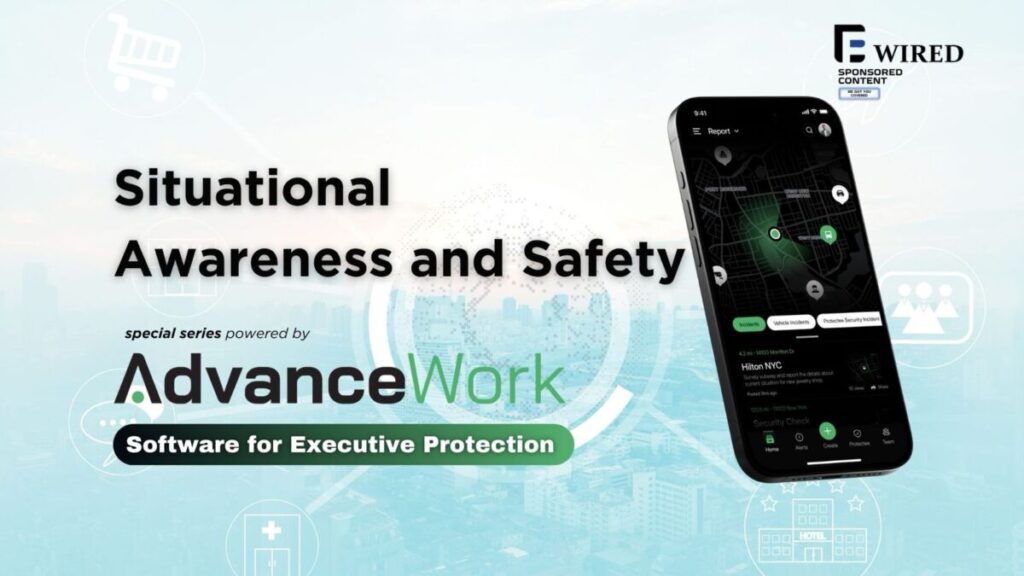
Situational awareness and safety play key roles in the world of executive protection. These concepts form the backbone of proactive security strategies, enabling professionals to identify potential threats, assess risk, and take action to ensure the safety of clients in a wide range of environments. Today, we will explore what situational awareness entails, how it enhances safety, and why it is essential for effective executive protection.
What Is Situational Awareness?
Situational awareness refers to the continuous process of observing, understanding, and anticipating the environment and potential threats in real time to ensure the safety of the principal.
It involves three main components:
- Perception: Noticing details in the environment—people, objects, behaviors, and changes that could indicate a threat.
- Comprehension: Interpreting what those details mean in context—identifying patterns, anomalies, or warning signs of danger.
- Projection: Anticipating how a situation might evolve and making proactive decisions to avoid or mitigate risks.
For executive protection agents, situational awareness is a vital skill that goes beyond simply watching what’s happening. It involves actively observing everything in the environment and using that information to keep the principal safe. Agents have to constantly scan crowds, not just to monitor general activity but to identify anyone acting oddly or trying to hide something, like a weapon. It’s about picking up on subtle clues that something might be off.
They also need to watch for vehicles that follow too closely, circle back repeatedly, or park in suspicious spots. These could be signs of surveillance or preparation for an attack. At the same time, they must know the layout of their surroundings—where the exits are, where people might get bottlenecked in a crisis, and which areas are hard to see or access quickly.
Being situationally aware also means tuning into the atmosphere. Is the mood changing? Has a crowd gone quiet too suddenly? These shifts can be early indicators of danger. Protection agents must also understand local customs, political tensions, and cultural norms so they can better assess what’s normal and what might be a red flag in that specific context.
When all of this information is gathered and processed in real time, agents can make smart decisions on the fly. They’re able to react quickly to threats or, ideally, take action before a situation even becomes dangerous. Situational awareness gives them the upper hand, helping prevent problems rather than just responding to them.
Building and Improving Situational Awareness and Safety
Building and improving situational awareness is an ongoing process that plays a crucial role in enhancing safety, especially in executive protection. It requires consistent training, mental discipline, and the ability to stay alert without becoming overwhelmed or fatigued.
The first step in developing strong situational awareness is learning to observe with purpose. This means looking beyond what’s obvious and training the brain to notice details that others might miss—body language, changes in routine, suspicious behavior, or environmental cues that signal something is off. Protection agents often use mental checklists and drills to keep their senses sharp and their awareness active.
Another key part of building this skill is improving decision-making under pressure. Agents need to quickly process what they see, understand its significance, and choose the best course of action without hesitation. Practicing scenario-based training and “what if” exercises helps them prepare for a wide range of situations, so their responses become instinctive and efficient.
Situational awareness is also enhanced by clear communication and teamwork. Agents must share information in real time, whether they’re working in pairs or as part of a larger security detail. When everyone is tuned in and focused on the same safety goals, threats are more likely to be spotted early and handled effectively.
Just as important is the habit of continuous review. After each operation or shift, experienced protection agents reflect on what they observed, how they reacted, and what they could improve. This kind of self-evaluation helps refine instincts and sharpen awareness over time.
Ultimately, the more situationally aware an agent becomes, the safer their principal and everyone around them will be. It’s not just about reacting to danger, but actively working to prevent it through heightened observation, quick thinking, and well-coordinated responses.
Situational Awareness and Safety Strategies
As we have established, situational awareness is the foundation of all effective safety strategies in executive protection. It’s not about seeing, but about understanding what’s happening around you, predicting what could happen next, and acting early to prevent risk. Strong situational awareness helps protection agents stay one step ahead of potential threats and maintain control in high-pressure environments.
To translate awareness into safety, EPAs rely on clear strategies that are both proactive and reactive. Proactive strategies include advance planning, route analysis, venue walkthroughs, and understanding the local threat landscape. These measures help identify risks before they become problems. Agents should always be familiar with primary and secondary exits, emergency protocols, and potential safe zones at every location they operate in.
During an operation, safety strategies depend on constant observation and communication. This means scanning crowds, monitoring body language, tracking vehicles, and being alert to changes in atmosphere or behavior. Communication within the team must be discreet but immediate; Sharing observations quickly can help neutralize threats early.
Situational awareness is also supported by physical positioning. Agents should position themselves to maintain visual control of the principal and the environment, without being overly obvious or drawing attention. When moving, they should vary routines and avoid predictable patterns to reduce the chance of targeted attacks.
Finally, debriefing and reflection after every detail are essential. Reviewing what went right, what was missed, and what could improve helps refine both awareness and strategy over time.
Why Choose the AdvanceWork App?
The AdvanceWork app provides EP agents with comprehensive tools to maintain a heightened state of awareness, thanks to:
- Customizable Advance Templates: Agents can create detailed plans for various locations, such as airports, hotels, and offices, using pre-built templates. This ensures that all team members are informed about venue layouts, entry and exit points, and potential vulnerabilities.
- Real-Time Alerts: The app delivers instant notifications about traffic conditions, weather changes, and security risks, enabling teams to adjust plans promptly and maintain the safety of the principal.
- Protectee Profiles: Detailed profiles containing the principal’s preferences and travel history allow agents to anticipate needs and respond effectively in emergencies.
Beyond situational awareness, the AdvancedWork app supports robust safety protocols with encrypted team communication. Secure messaging ensures that sensitive information is shared safely among team members, facilitating coordinated responses during operations.
Also, with mission briefs and field reports, agents can document incidents, vehicle checks, and daily routines using structured templates, promoting accountability and continuous improvement.
Finally, thanks to centralized data management, all mission-critical information is stored securely within the app, providing easy access to essential documents and reducing the risk of information loss or miscommunication.
Use code EPWIRED10 for 10% off on your first-year subscription!
This article is sponsored by: