


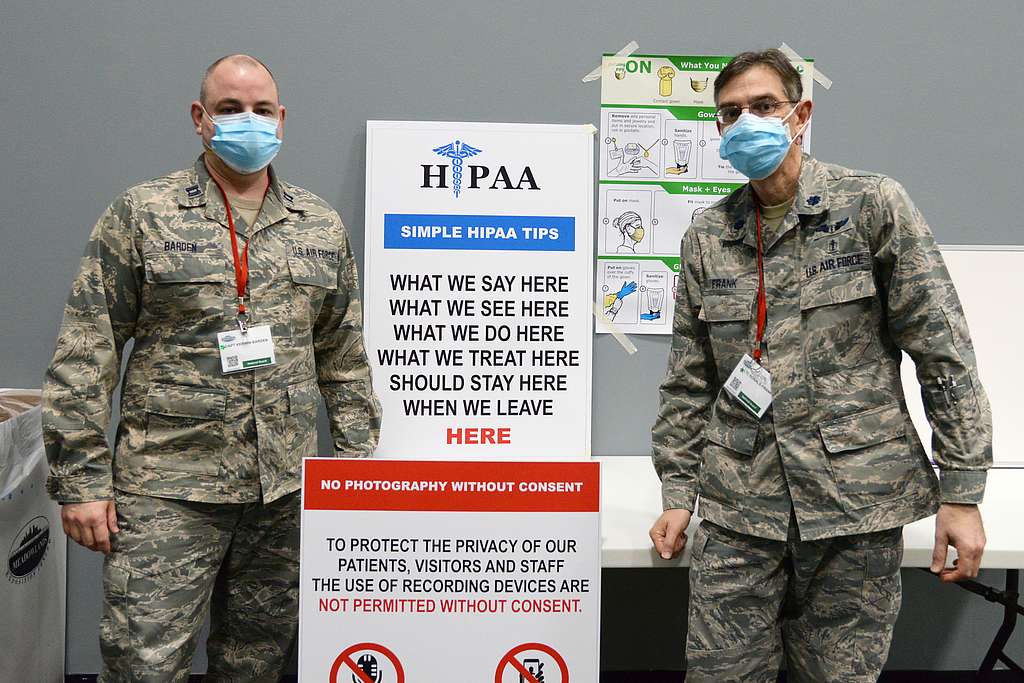
Introduction to HIPAA
A federal law in the United States called the Health Insurance Portability and Accountability Act (HIPAA) of 1996 was created to protect the confidentiality and integrity of people’s protected health information (PHI). Healthcare clearinghouses, health plans, healthcare providers, and their business associates are examples of covered entities that must adhere to the national standards set forth by HIPAA for the handling of PHI. PHI includes any personally identifiable health information, whether in electronic, paper, or spoken form, such as medical records, diagnoses, treatment plans, and billing information.
HIPAA’s main goals are to safeguard PHI’s availability, confidentiality, and integrity; encourage the effective electronic sharing of health information; and shield people from the improper use or disclosure of their medical records.
HIPAA’s Relevance to Executive Protection Personnel
Executive protection professionals, who are frequently in charge of the security and welfare of well-known people, may come across circumstances in which they handle or come into contact with private medical data, especially if they are trained in medicine (EMTs, paramedics, and physicians). Executive protection staff may still be governed by HIPAA regulations even though they are not normally regarded as covered entities under the law. This is particularly true when they handle PHI on behalf of a client or collaborate closely with healthcare providers.
Scenarios Involving PHI
- Medical Emergencies: First aid or emergency care may be given to a client by protection staff with medical training, creating or accessing PHI such as observations regarding the client’s condition or specifics of the care given.
- Coordination with Healthcare Providers: In order to facilitate client care, staff members may communicate with hospitals, doctors, or other providers, possibly receiving or sending PHI in the process.
- Client Disclosures: In order to guarantee appropriate treatment in an emergency, clients may voluntarily divulge medical information, such as chronic illnesses or prescription drugs.
- Access to Medical Records: In certain situations, such as during travel or relocation, staff members may be trusted with accessing or transferring a client’s medical records.
Executive protection staff in these situations need to be aware of their obligations to protect confidentiality and, if necessary, adhere to HIPAA.
HIPAA Compliance for Executive Protection Personnel
The following guidelines should be followed by executive protection staff in order to guarantee HIPAA compliance and safeguard client confidentiality:
1. Understanding Covered Entity Relationships
Protection staff may be regarded as business associates under HIPAA if they are employed by a company that has a contract with a covered entity (such as a healthcare provider or a business associate). In these situations, they are required to sign a Business Associate Agreement (BAA), which requires them to protect PHI, use it exclusively for the purposes specified in the agreement, and notify others of any breaches. To comply with legal and ethical requirements, staff members should treat all medical information as confidential, even in the absence of a BAA.
2. Minimizing PHI Exposure
The “minimum necessary” principle is emphasized in HIPAA’s Privacy Rule, which mandates that only the bare minimum of PHI be used, disclosed, or accessed in order to complete a task. Protection staff ought to:
- Avoid unnecessary collection or documentation of PHI.
- Limit discussions about a client’s health to only those team members who need to know for operational purposes.
- Secure any PHI they handle, such as notes or electronic devices containing medical details, to prevent unauthorized access.
3. Maintaining Confidentiality
Confidentiality is a core tenet of both HIPAA and executive protection. Personnel must:
- Refrain from discussing a client’s medical information with unauthorized individuals, including family members, media, or other third parties, unless explicitly authorized by the client, except in emergencies or as permitted by law.
- Use secure communication channels (e.g., encrypted messaging or phone calls in private settings) when discussing PHI.
- Destroy or securely store any physical or electronic records containing PHI once they are no longer needed, in accordance with applicable policies.
4. Handling Emergencies
HIPAA allows PHI to be disclosed to healthcare providers in emergency situations where prompt medical attention is necessary to guarantee prompt treatment. But staff members ought to:
- Disclose only what is necessary to address the emergency.
- Document any disclosures made and inform the client or their legal representative as soon as possible.
- Be aware that post-emergency follow-ups may require client consent or a BAA if further PHI handling is involved.
5. Training and Awareness
Employers of executive protection staff should train staff members on the main provisions of HIPAA, with an emphasis on:
- Recognizing PHI and its sensitivity.
- Understanding permissible uses and disclosures.
- Implementing safeguards to protect PHI, such as password-protected devices and secure storage.
- Reporting procedures for suspected breaches, such as lost documents or unauthorized disclosures.
Consequences of HIPAA Violations
Even for non-covered organizations like executive protection staff, non-compliance with HIPAA can have serious legal, financial, and reputational repercussions. Infractions could result in:
- Civil Penalties: Clients or affected individuals may pursue legal action for breaches of confidentiality.
- Criminal Penalties: Intentional misuse or disclosure of PHI, such as selling medical information, can result in fines or imprisonment under HIPAA’s Enforcement Rule.
- Professional Repercussions: Breaches can damage the reputation of protection personnel and their employers, potentially leading to loss of contracts or employment.
- Organizational Liability: Companies employing protection personnel may face lawsuits or loss of business associate status if their staff mishandle PHI.
Best Practices for Executive Protection Personnel
To navigate HIPAA effectively and maintain client trust, protection personnel should:
- Obtain Client Consent: Whenever possible, secure written or verbal consent from the client for handling or sharing medical information, clearly defining the scope of their role in medical situations.
- Use Secure Documentation: If PHI must be recorded, use encrypted digital tools or secure physical storage, and limit access to authorized personnel only.
- Collaborate with Legal Teams: Work with legal advisors to ensure compliance with HIPAA and other privacy laws, especially when operating across jurisdictions.
- Stay Informed: Regularly update knowledge of HIPAA regulations, as amendments or new guidance may affect their responsibilities.
- Foster Trust: Demonstrate professionalism by prioritizing client privacy, reinforcing their role as trusted protectors of both physical safety and personal information.
Conclusion
HIPAA is essential to safeguarding the confidentiality and integrity of health information, which has implications for executive protection staff who might come into contact with PHI while performing their jobs. These professionals must take reasonable steps to protect confidentiality, reduce PHI exposure, and adhere to HIPAA when working with covered entities or business associates, even though they are not normally covered entities.
Executive protection staff can maintain the trust of their clients and steer clear of legal or professional pitfalls by being aware of HIPAA’s requirements, implementing best practices, and cultivating a culture of privacy. Navigating the intricacies of HIPAA in the context of executive protection requires constant training and cooperation with legal and medical experts.
About the Author
Michael Guirguis, MD, is an ER Physician and a reserve law enforcement officer who is licensed to work EP. He is the Founder & Chief Medical Officer at Raven Medical Support Group, which provides consulting, medical direction, and oversight for private family office and corporate executive protection programs, and Medical Director for Chipotle’s Global Security & Resilience team. He is also the Chief Medical Officer for XPJ, contracting SOF Pararescuemen Paramedics to augment the medical needs of EP teams.