


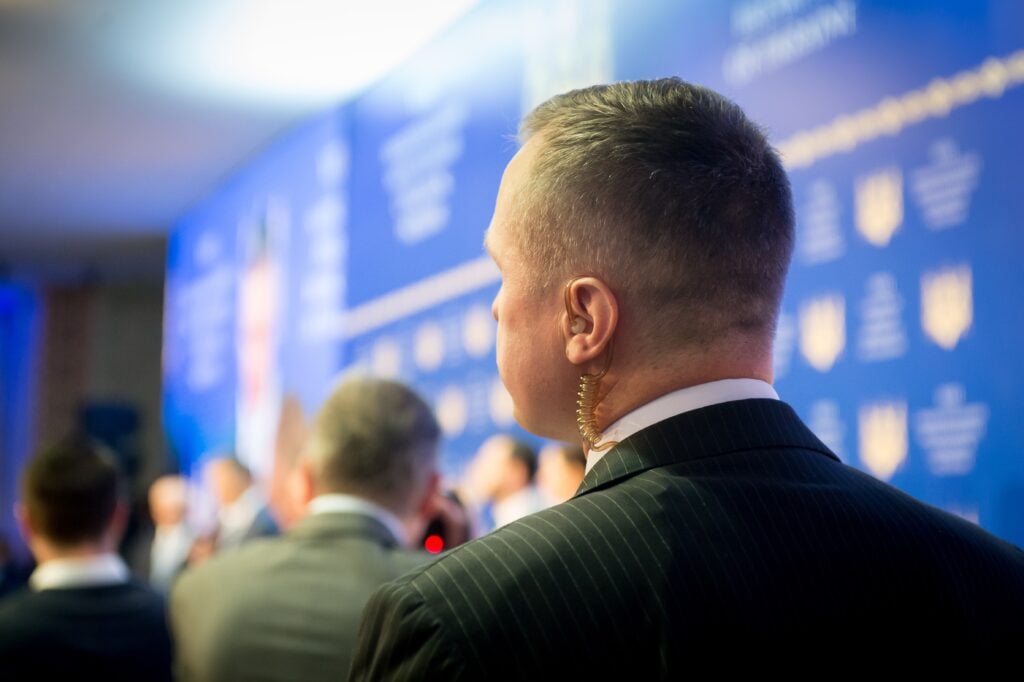
The U.S. Bodyguard Service and Security Consulting industry is undergoing major changes, driven by growing concerns about personal and organizational safety. From corporate boardrooms to red carpet events, high-level protection is in higher demand than ever. Government agencies, entertainment companies, and high-net-worth individuals are all investing more in private security solutions.
But what’s fueling this growth?
A mix of smarter technology, more tailored services, and a constantly shifting threat landscape. Today’s security needs go beyond physical protection as cyber threats and integrated risk management are now central to how bodyguard services operate.
These bodyguard trends and the rapid evolution of the market are creating big opportunities. The U.S. market is projected to grow from $2.57 billion in 2025 to $3.52 billion by 2032, with a 4.6% annual growth rate, according to Coherent Market Insights, a company that specializes in industry research, market analysis, and trend insights across a wide range of sectors.
Analyst Insights
Stronger Workforce
One of the most prominent bodyguard trends is that there’s been a sharp rise in professionally trained bodyguards. Between 2023 and 2024, the number of certified personnel grew by more than 15%, helping the industry meet diverse and high-risk client demands.
High-Tech Demand
Security tech is booming. Imports of advanced equipment, like biometric scanners and encrypted communication devices, jumped 12% in 2024, showing that companies are heavily investing in modern infrastructure.
Boutique Firms on the Rise
Smaller consulting firms offering personalized threat assessments are thriving. In fact, service contracts in niche sectors like entertainment and VIP event management grew by 20% last year.
Government Spending Grows
Federal and local governments are putting more money into protective services, with a 7% increase in security-related budgets in 2024. This reflects the growing importance of private bodyguards in public safety and counter-terrorism efforts.
Breaking Down the U.S. Bodyguard Service & Security Consulting Market
To better understand how the U.S. bodyguard and security consulting industry is structured and where it’s growing, it helps to look at the market from a few key angles: the types of services offered, who the clients are, how technology is being used, and where demand is coming from globally.
Types of Security Services
The industry covers a wide range of services, tailored to meet the unique needs of individuals, companies, and events. These include:
- Personal Protection Services: One-on-one bodyguard support for high-risk individuals, such as celebrities, CEOs, or political figures.
- Executive Security: High-level protection focused on business leaders, often combined with travel logistics and threat intelligence.
- Event Security: Crowd control and VIP protection at concerts, red carpet events, political rallies, sports games, and more.
- Risk Assessment & Consulting: Expert evaluations of potential threats and vulnerabilities, helping clients plan security strategies ahead of time.
- Other Services: These may include travel security, secure transportation, residential protection, and emergency evacuation planning.
Who’s Using These Services?
Security needs vary depending on the client. Here’s a look at the main groups driving demand:
- Corporate Clients: Businesses protecting executives, employees, intellectual property, and physical infrastructure.
- Government Agencies: From local officials to national leaders, bodyguard services play a key role in public sector protection.
- Entertainment & Sports: Athletes, actors, and performers often require personal security during public appearances or travel.
- High-Net-Worth Individuals (HNWIs): Wealthy individuals and families seeking discreet, high-level protection for personal and professional lives.
- Other Clients: This could include NGOs, diplomats, or individuals under legal threat or at risk due to activism.
The Role of Technology
One of the biggest bodyguard trends globally is showing us that security has gone digital. Modern service providers now blend traditional bodyguard skills with cutting-edge tools, starting with traditional physical guards. The classic approach consists of highly trained personnel providing visible or discreet on-ground protection.
Then, there’s technology-enabled security, which consists of the use of GPS tracking, encrypted communication devices, mobile surveillance systems, and more.
Cyber-physical integrated security is a growing field that combines physical protection with cybersecurity. It’s about keeping people and their data safe.
Finally, there are plenty of other technologies, which may include drone surveillance, AI-powered analytics, and geospatial mapping.
Where Is the Market Growing?
While this report on bodyguard trends focuses on the U.S., security consulting is a global industry with rising demand across continents. Here’s a breakdown by region:
North America
- United States & Canada — The U.S. leads in both market size and innovation. Canada also shows steady growth, especially in the corporate and governmental sectors.
Latin America
- Brazil, Argentina, Mexico, and others — Political instability, rising crime rates, and major international events are fueling the need for private security in this region.
Europe
- Includes Germany, the U.K., France, Italy, Spain, Russia, and countries in Northern and Western Europe — Security services are expanding here to support large-scale public events, growing VIP travel, and corporate risk management.
Asia Pacific
- Major players include China, India, Japan, South Korea, Australia, and Southeast Asian countries — As these economies grow and host more global events, demand for executive and event security is on the rise.
Middle East & Africa
- Covers Saudi Arabia, UAE, Israel, South Africa, and other countries in North, Central, and Sub-Saharan Africa — Security needs are intensifying due to geopolitical tensions, high-profile business activity, and the increasing presence of international corporations.
Final Thoughts
This global and multi-layered view of the bodyguard and security consulting market shows just how complex and fast-evolving the industry has become. From personal protection to AI-powered risk assessment, the field is expanding to meet the challenges of a world where both physical and digital threats are always changing.