


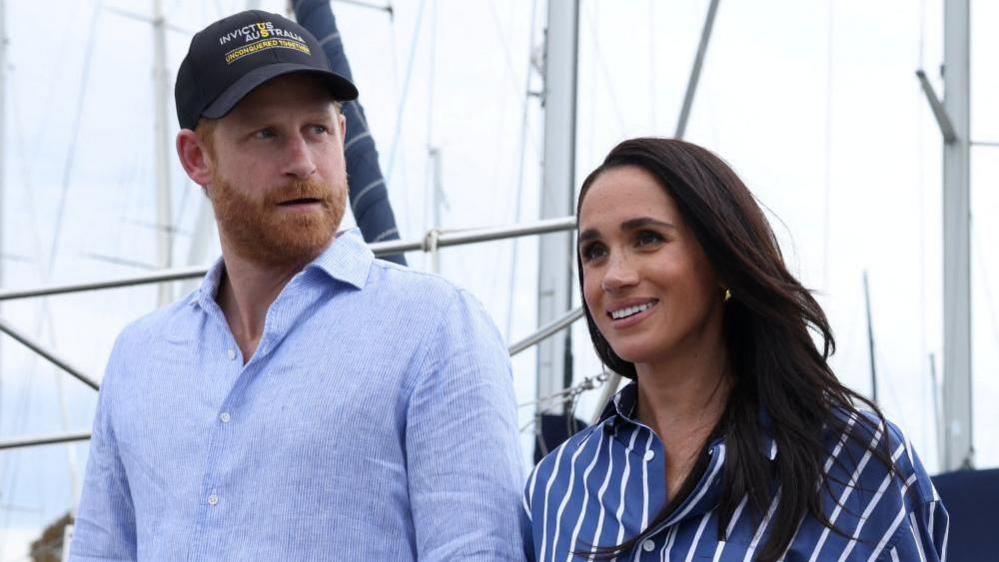
Prince Harry’s long-running security dispute with the UK government has once again become international news, with reports suggesting the Duke of Sussex is reconsidering bringing Meghan Markle, Prince Archie, and Princess Lilibet to Britain after a request for police protection was refused. The situation has renewed debate across both the royal and executive protection communities about where private security ends and government protection begins.
According to multiple reports, Harry had hoped to visit the UK next month ahead of promotional events connected to the 2027 Invictus Games in Birmingham. The visit was expected to include private family meetings, charitable engagements, and potentially the first reunion between King Charles and his grandchildren in several years. However, ongoing concerns over protective security have reportedly placed those plans in doubt.
Why Prince Harry Security Remains a Complex Issue
Since stepping back from official royal duties in 2020, Prince Harry no longer receives the same publicly funded protective security that is automatically provided to working members of the Royal Family.
Although Harry has repeatedly expressed a willingness to fund his own security while visiting Britain, UK authorities have maintained that police protection cannot simply be purchased. Decisions regarding armed police protection are made following government threat assessments rather than personal preference or financial arrangements.
That distinction is significant from an executive protection standpoint.
Private security teams can provide highly capable close protection, advance work, secure transportation, residential security, and travel planning. However, they cannot replicate the authorities, intelligence access, investigative capabilities, or legal powers available to government protective services.
Previous Security Incidents Continue to Influence the Debate
The latest reports also come less than a year after Prince Harry experienced two separate proximity breaches during a visit to London in September 2025, incidents that reignited discussion within the executive protection community about the challenges of safeguarding high-profile individuals without state support.
According to previous reporting, a woman identified by British authorities as a “fixated individual” managed to get close to the Duke on two occasions during public appearances despite already being known to his private security team and law enforcement. While neither incident resulted in physical harm, both highlighted the difficulties private protection teams can face when operating without the full resources and authorities available to government security services.
The Private Security Challenge
Reports indicate that Harry and Meghan intended to travel with their own security team, something they have done during international travel for several years.
While experienced executive protection professionals can significantly reduce risk, operating in the United Kingdom presents unique limitations for private teams.
Unlike police officers, private security personnel cannot carry firearms in the UK without extremely limited licensing exceptions. They also lack direct access to national intelligence databases, real-time threat reporting, and the wider policing resources that government protection units can deploy when necessary.
For high-profile principals facing elevated threat levels, those differences can substantially affect protective planning.
Executive Protection Is More Than Bodyguards
Prince Harry’s situation illustrates a point well understood throughout the executive protection industry: security is an ecosystem.
Effective protection combines intelligence, advance planning, secure venues, transportation management, emergency response, local law enforcement coordination, and continuous risk assessment. Even the most experienced close protection officers operate within legal and operational limits that vary from country to country.
When a principal loses access to state resources but continues to face global media attention and credible security concerns, protection planning becomes considerably more complex.
Security Decisions Continue to Shape UK Visits
Recent reports suggest Harry remains committed to finding a solution that would allow his family to visit Britain safely, while discussions surrounding protective arrangements continue.
Whether those plans ultimately proceed or change, the case continues to serve as one of the world’s most visible examples of the challenges involved when public protection policies intersect with private executive protection.
For security professionals, the discussion extends far beyond celebrity headlines. It highlights an increasingly relevant question for executive protection teams worldwide: how should protective strategies adapt when private capabilities must compensate for the absence of state support?