


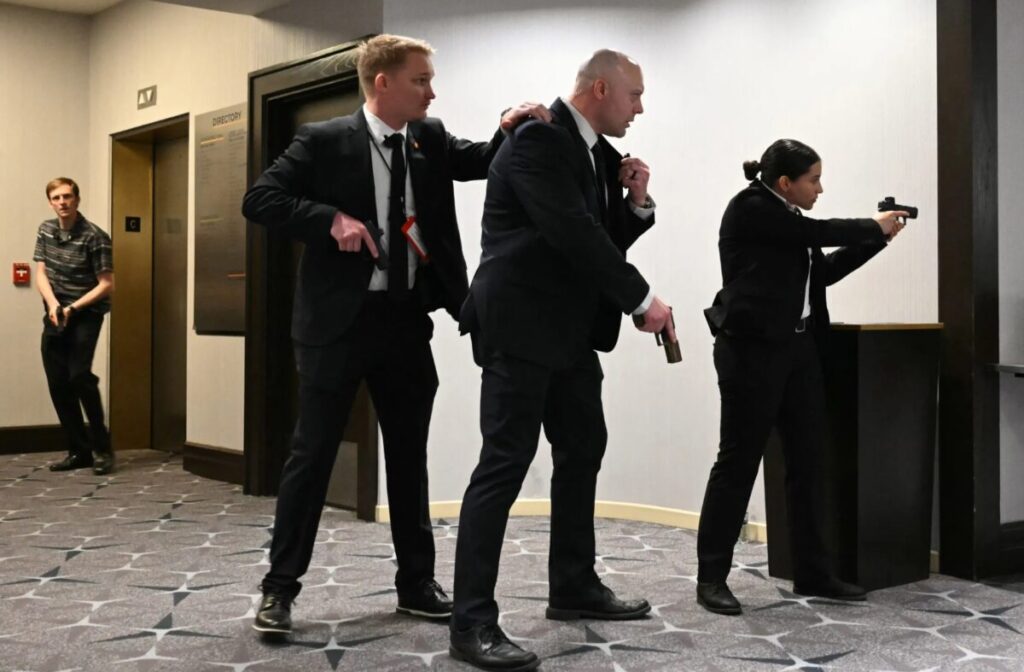
A 2026 White House Correspondents’ Dinner shooting has reignited concerns around protective intelligence, access control, and event security protocols at high-profile gatherings.
The incident took place on April 25, 2026, at the Washington Hilton, where senior U.S. officials, media representatives, and approximately 2,600 guests had gathered for the high-visibility event. Among those in attendance were President Donald Trump, Vice President JD Vance, and multiple cabinet members.
Suspect Breaches Security Perimeter
According to federal authorities, 31-year-old Cole Tomas Allen approached the main screening area armed with a shotgun, handgun, and knives before rushing past the checkpoint toward the ballroom.
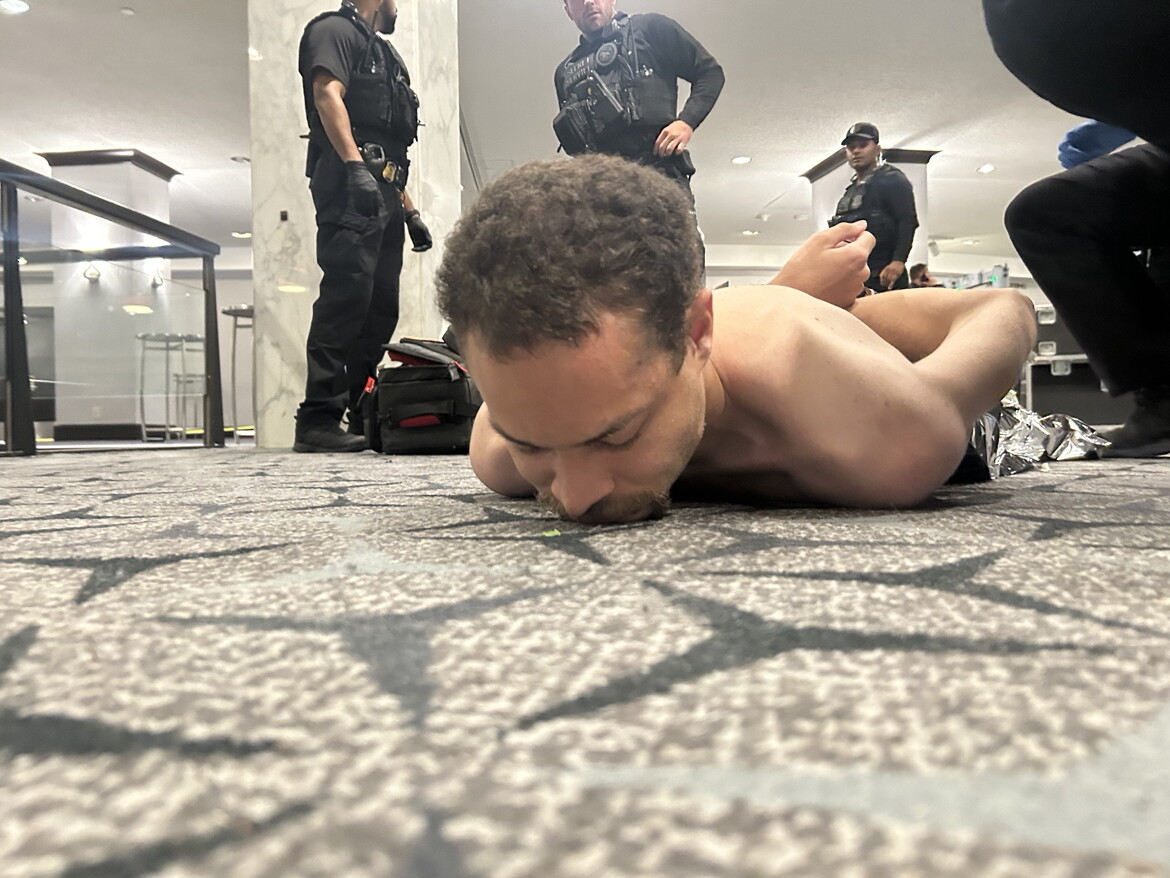
A brief exchange of gunfire followed. Law enforcement officers and United States Secret Service personnel engaged the suspect, who was ultimately tackled and subdued before gaining access to the primary event space.
One federal agent was struck in a bullet-resistant vest and is expected to recover. No fatalities were reported.
Rapid Protective Response
Protective teams moved quickly once shots were fired. Within seconds, agents secured the president and initiated a controlled evacuation of key protectees. Attendees inside the ballroom took cover as armed personnel moved to secure the environment.
The suspect was apprehended just outside the ballroom entrance, preventing what officials believe could have been a mass-casualty or high-value target attack.
Pre-Attack Indicators and Intent
Investigators state the suspect traveled from California to Washington, D.C., by rail in the days leading up to the incident and had checked into the same hotel hosting the event.
Shortly before the attack, he reportedly sent written messages to family members outlining his intent and apologizing for his actions. According to officials, the writings expressed anger toward the current administration and identified government officials as intended targets.
Family members later told authorities the suspect had previously made radical statements and alluded to plans to take action. He was also known to train regularly with firearms.
Background Raises Familiar Concerns
The suspect’s background has drawn attention due to its contrast with the nature of the attack. Described by former peers as highly intelligent and soft-spoken, he held degrees in engineering and computer science, worked as a tutor, and had experience as a software developer.
He legally purchased firearms in recent years and allegedly stored them without his family’s knowledge.

Security Model Under Scrutiny
While the United States Secret Service successfully neutralized the threat, the incident has prompted renewed scrutiny of the security model used for the event.
Unlike designated National Special Security Events, the Correspondents’ Dinner operates within a functioning hotel environment. Public access areas remain open, and screening typically occurs closer to the event space rather than at the building perimeter.
This layered, but not fully hardened, approach allowed the suspect to move within the venue before being intercepted.
Officials have since confirmed that a review of protective protocols is underway, with a focus on identifying gaps and strengthening procedures for future high-profile gatherings.
Broader Implications for Executive Protection
The incident underscores a recurring reality in modern executive protection: threat actors do not always fit traditional risk profiles, and intent can develop outside conventional detection timelines.
It also highlights the challenge of securing soft-entry environments where high-value targets are present but full lockdown measures are impractical.
In this case, the system worked at the point of contact, but only after the suspect had already penetrated part of the security perimeter.
Information Environment and Misinformation
In the immediate aftermath, false narratives and conspiracy theories circulated rapidly online, including claims that the incident had been staged. Officials and fact-checkers have since dismissed these assertions, emphasizing the importance of verified information during active investigations.
Ongoing Investigation
The suspect faces multiple federal charges, including attempted assassination and firearms-related offenses. Authorities have indicated that additional charges may follow as the investigation continues.
For a closer insider view, here are some videos of the shooting and the aftermath.