



The role of the modern CEO has changed dramatically. Today’s corporate leaders are not only responsible for business performance, shareholder value, and strategic decisions; they are increasingly exposed public figures navigating a more complex threat environment.
High-profile executives are facing growing risks from online harassment, public backlash, ideological conflicts, disgruntled individuals, workplace violence concerns, and targeted threats.
Decisions made in the boardroom can now trigger reactions across social media within minutes, turning executives into highly visible targets. This has led many corporations to rethink how they approach corporate security threats.
The Changing Threat Landscape Facing Today’s CEOs
The traditional corporate threat model focused mainly on protecting company facilities, employees, and physical assets. However, the threat landscape facing CEOs has expanded beyond office buildings and corporate headquarters.
Executives today operate in an environment where personal and professional exposure overlap. A CEO’s public statements, business decisions, or company policies can quickly become sources of controversy, creating risks that follow them beyond the workplace.
Increased public visibility means CEOs are no longer anonymous corporate figures. Many executives have large social media followings, appear regularly in interviews, and actively communicate with the public. While this can strengthen a company’s brand, it also increases exposure.
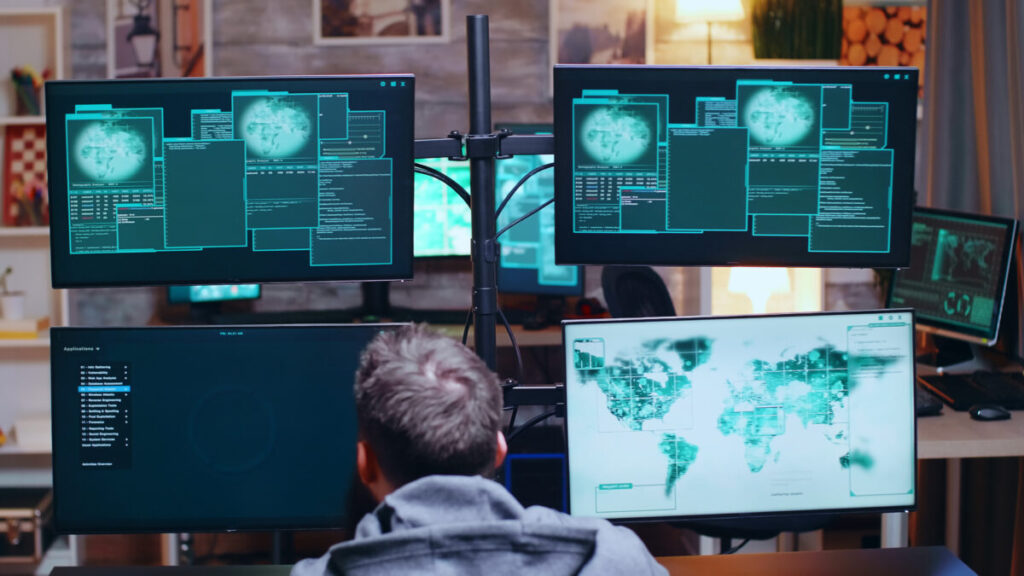
Also, threats often begin online before moving into the physical world. Aggressive posts, direct messages, leaked personal information, and online investigations into executives can provide warning signs that security teams must monitor.
Corporate Security Threats Have Become a Board-Level Priority
Executive security has moved from an individual concern to a corporate governance issue.
A CEO or senior executive is often considered a critical business asset. If a leader is unable to travel, attend meetings, or make decisions due to a security incident, the impact can extend throughout the organization.
Boards and corporate security departments are increasingly asking strategic questions:
- How prepared is the company if a senior leader becomes a target?
- Are executives protected during domestic and international travel?
- Are threats being identified early enough?
- Are family members and residences included in the risk assessment?
This shift has changed the way companies think about security. Instead of reacting after an incident occurs, businesses are investing in prevention.
Executive protection is now often integrated with:
- Enterprise risk management
- Crisis response planning
- Cybersecurity
- Business continuity programs
Why Technology CEOs Face Unique Security Challenges
Technology leaders are among the most exposed executives in the world.
Unlike many industries, technology companies operate at the intersection of innovation, public debate, and social change. Decisions involving artificial intelligence, data privacy, social platforms, content moderation, and workforce reductions can create strong reactions from the public.
This has created a unique security environment for technology executives.
AI and Emerging Technology Concerns
The rapid growth of AI has placed technology leaders under increased scrutiny. Executives leading major AI companies face public debates about employment, misinformation, privacy, and regulation.
Political and Social Pressure
Technology companies often influence public conversations, making their leaders targets for individuals and groups with strong opinions.
Global Visibility
Many technology CEOs operate internationally and maintain a constant public presence. This increases exposure during conferences, business travel, public appearances, and investor events.
Because of this, many tech companies have developed sophisticated executive protection programs that combine physical security with intelligence gathering.
The Evolution of Corporate Protection
Thanks to evolving corporate security threats, corporate protection has undergone a significant transformation over the past decade. What was once viewed primarily as a physical security function focused on the immediate safety of an executive has evolved into a comprehensive risk management discipline.
The modern corporate protection model is no longer built around a single protective detail or a visible security presence. Instead, it combines intelligence, operational planning, technology, and relationship management to anticipate threats before they materialise.
Today’s executive protection teams operate within a broader corporate security ecosystem, working alongside:
- Corporate security departments
- Intelligence analysts
- Cybersecurity teams
- Legal counsel
- Crisis management professionals
- Travel risk specialists
This integration reflects a fundamental change in how organisations approach executive risk. The objective is no longer simply to respond to an incident; it is to identify vulnerabilities, reduce exposure, and maintain operational continuity.
The Role of Protective Intelligence
Protective intelligence has become one of the most important elements of modern executive security.
A visible security presence may protect an executive in the moment, but intelligence helps identify potential threats before they become dangerous.
Protective intelligence involves:
- Monitoring online activity
- Analyzing threatening communications
- Identifying concerning behavior patterns
- Assessing credibility and intent
- Tracking emerging risks
- Supporting travel and event planning
Many threats leave indicators before they escalate. A concerning social media post, unusual behavior near an executive’s workplace, or repeated unwanted contact can provide valuable warning signs.
This approach allows security teams to make informed decisions rather than simply respond to incidents.
The future of executive protection is increasingly intelligence-led, combining human expertise with technology and data analysis.
The Rising Cost of Corporate Security Threats
The increasing visibility and vulnerability of corporate leaders have fundamentally changed the economics of executive security. Protecting a CEO today is no longer limited to assigning a close protection officer for public appearances or providing secure transportation between meetings. Modern executive security programs are complex operations involving intelligence, logistics, technology, personnel, and long-term risk management.
As threats against senior executives become more diverse, companies are investing in broader protective ecosystems designed to reduce exposure before an incident occurs. The cost reflects not only the presence of security personnel but the infrastructure required to support a proactive security strategy.
For many corporations, the question is no longer if executive security is expensive. It is whether the cost of not having adequate protection is far greater.
Security Spending Has Become More Visible
Historically, executive protection spending was rarely discussed publicly. However, regulatory filings, shareholder reports, and corporate disclosures have made these programs increasingly visible.
Some of the world’s largest companies now report multimillion-dollar security expenses tied to their top executives. These disclosures have highlighted the scale of modern executive protection programs and demonstrated how much organisations are willing to invest to mitigate leadership risks.
Companies have justified these expenses by pointing to several factors:
- The Increasing Threat Environment: Executives face a wider range of risks, including targeted threats, harassment campaigns, stalking, and politically or socially motivated hostility.
- The Impact of Leadership Disruption: A serious incident involving a CEO or senior executive can affect business continuity, investor confidence, and corporate operations.
- The Need for Global Mobility: Many executives travel internationally, requiring security teams to manage changing threat environments across different regions.
For example, some major corporations have reported annual executive security costs reaching into the millions, with technology companies among the highest-profile examples due to the visibility of their leaders.
The Future of Corporate Security
The threat landscape facing corporate leaders is not getting simpler. As executives become more visible, more connected, and more exposed, security programs will continue moving beyond traditional protection models.
The future of executive security will be defined by prevention, intelligence, and integration. Physical protection will remain essential, but the strongest programs will combine protective intelligence, technology, cybersecurity, and corporate risk management to identify threats before they escalate.
Tomorrow’s executive protection professionals will not just be responsible for keeping principals safe; they will help organisations anticipate risk, maintain continuity, and operate confidently in an increasingly unpredictable environment.